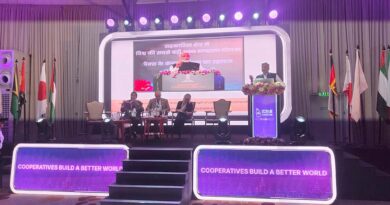
HARVEST 2.0 Asia-Pacific Summit on Future-Ready Cooperatives Culminates in Chandigarh, India
Chandigarh, July 20, 2026
Women are the True Ambassadors of Agricultural Cooperatives – Dr. Jitender Kaur Arora
Agri-Biotechnology to Empower the Next Generation of Cooperative Entrepreneurs – Prof. Ashwani Pareek
Chandigarh, July 20, 2026: Building on the success of HARVEST 2025, the second edition of HARVEST 2.0 (Holistic Agri-tech Initiative for Rural Value-chain Enhancement & Sustainable Transformation) commenced on 20 July 2026- 22 July 2026 at PI-RAHI, Panjab University, and Chandigarh. The three-day Asia-Pacific Summit on Future-Ready Cooperatives – Youth, Innovation, Technology and Startup Mindset brings together cooperative leaders, Farmer Producer Organizations (FPOs), policymakers, researchers, entrepreneurs, and international delegates to strengthen the cooperative ecosystem through innovation and collaboration.
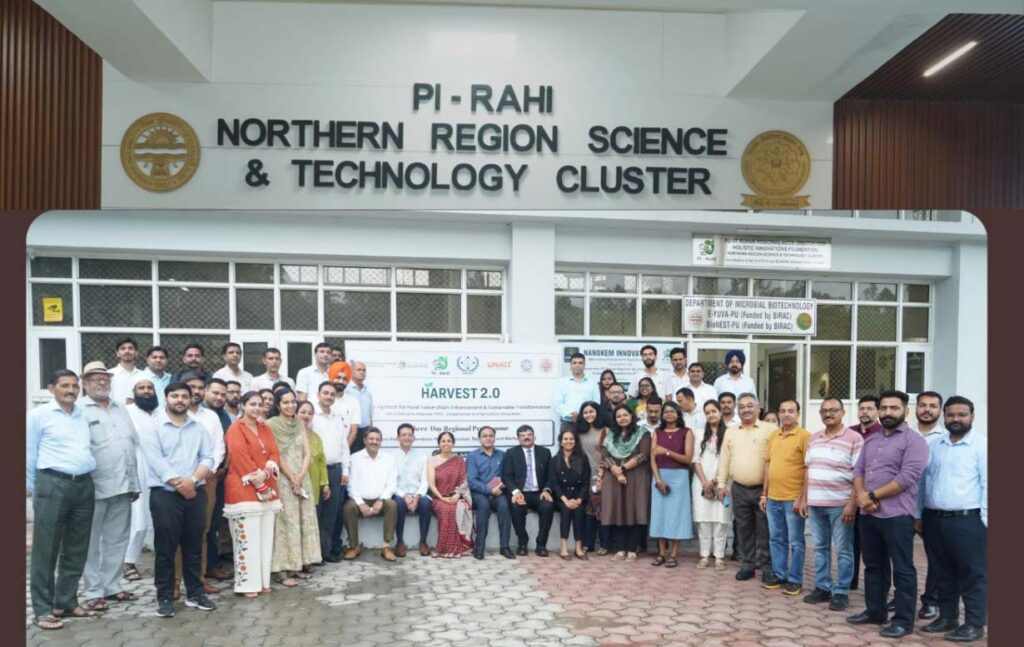
The summit was organized by the Network for the Development of Agricultural Cooperatives in Asia and the Pacific (NEDAC) in collaboration with PI-RAHI (Panjab University–IIT Ropar Regional Accelerator for Holistic Innovation Foundation) and the Northern Region Science & Technology Cluster under the Office of the Principal Scientific Adviser (PSA), Government of India, with Unati Cooperative Marketing-cum-Processing Society Ltd. serving as the knowledge partner.
HARVEST 2.0 has brought together delegates representing cooperatives, Farmer Producer Organizations (FPOs), youth entrepreneurs and cooperative institutions from 10 Indian States as well as cooperative leaders from countries across the Asia-Pacific and Europe, creating a vibrant platform for knowledge exchange, innovation, and cross-border collaboration.
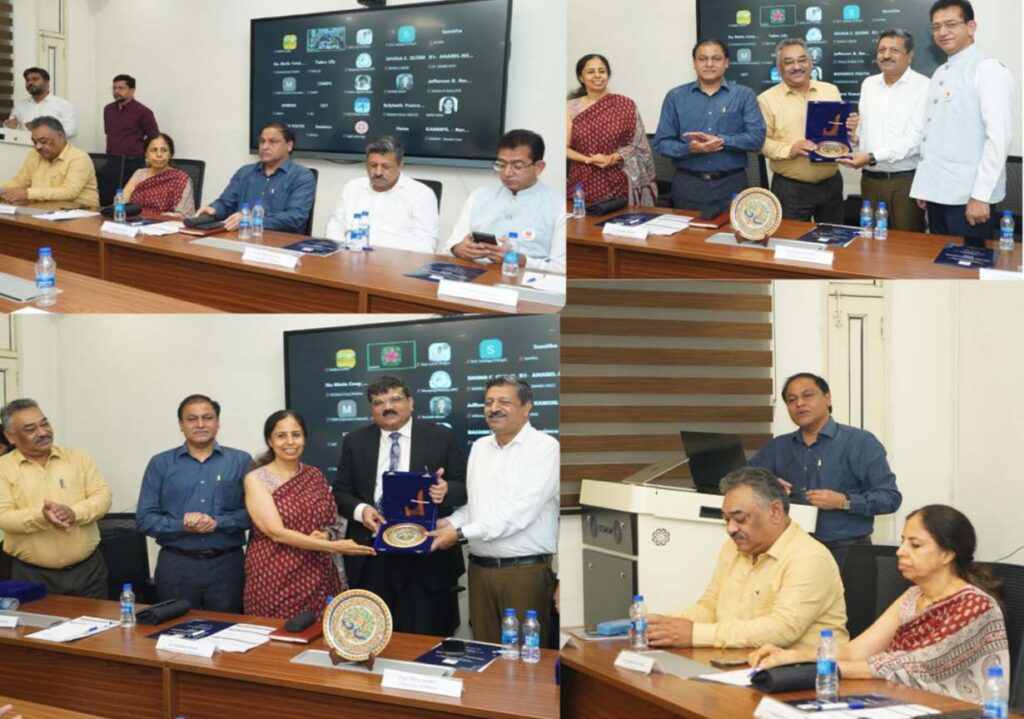
Welcoming the participants, Ms. Neha Arora, Chief Operating Officer, PI-RAHI, reflected on the achievements of HARVEST 2025 and highlighted the focus of this year’s summit on fostering an entrepreneurial mind-set among FPOs in alignment with the Department for Promotion of Industry and Internal Trade (DPIIT)’s startup ecosystem initiatives.
Representing NEDAC, Ms. Samitha, Partnership Consultant, welcomed the delegates and emphasized the importance of building future-ready cooperatives driven by youth, innovation, technology, and entrepreneurship. She also highlighted NEDAC’s key initiatives, including the launch of the Youth Cooperative Innovation Network (YCIN) under the chairmanship of Mr. Pankaj Kumar Bansal, IAS, Additional Secretary, Ministry of Cooperation, GoI and the guidance of Col. Himanshu, Director,
NEDAC.
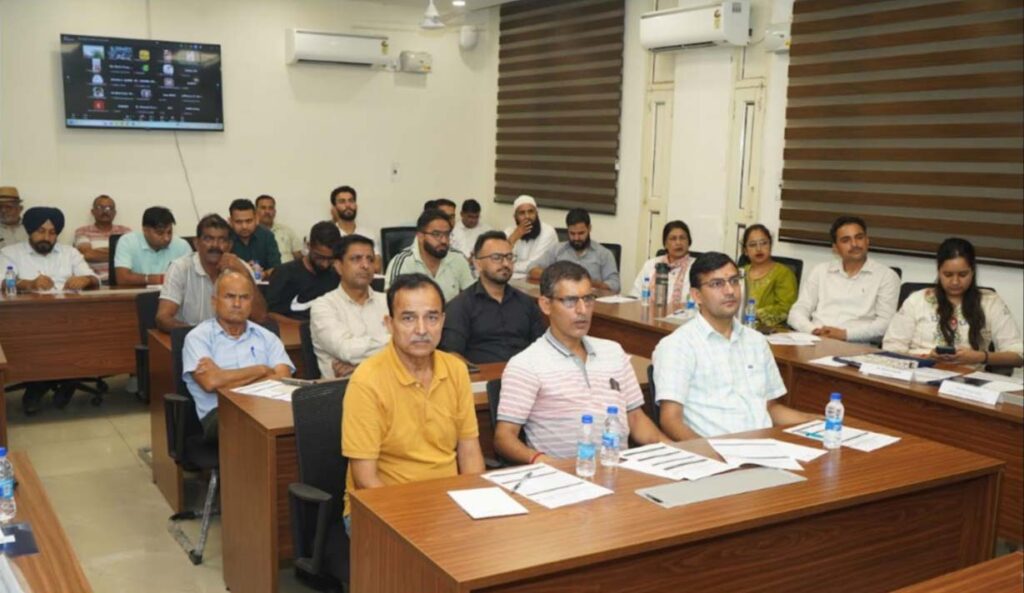
In his inaugural address, Prof. Rajat Sandhir, Director, PI-RAHI, underscored the importance of learning from the experiences of Farmer Producer Organizations (FPOs) and Primary Agricultural Credit Societies (PACS). He emphasized that strengthening grassroots institutions through innovation and collaboration will play a pivotal role in transforming India’s agricultural landscape.
Delivering the keynote address, Prof. Ashwani Pareek, Executive Director, BRIC–National Agri-Food Biotechnology Institute (NABI), Mohali, highlighted the transformative role of agri-biotechnology in strengthening grassroots cooperative organizations.
Stressing the growing importance of the bio-economy, he encouraged cooperatives to embrace biotechnology and artificial intelligence to improve productivity and build resilient, technology-enabled institutions.
“This is the definitive time for farmers to actively partner with technology. Cooperatives must serve as launchpads for innovation. By adopting cutting-edge biotechnology and AI-based techniques, our farmers can transform into resilient, technology-driven cooperative entrepreneurs,” Prof. Pareek remarked.
Addressing the session on Women, Cooperatives and Technology, Dr. Jitender Kaur Arora, Advisor, Northern Region Science & Technology Cluster, highlighted the critical role of women in agricultural development and emphasized that agricultural cooperatives provide an ideal platform for translating ideas into impactful action. She described women as the true ambassadors of agricultural cooperatives and called for greater participation of women in leadership and innovation.
Speaking on cooperative governance and institutional strengthening, Dr. Rakesh Sharma, Director, Regional Institute of Cooperative Management (RICM), Chandigarh, stressed that the long-term success of cooperatives depends on three fundamental pillars—independence, autonomy, and value driven operations. He encouraged Farmer Producer Organizations and cooperatives to adopt these principles to build sustainable and economically resilient institutions.
Representing IFFCO, Mr. Tarun Bhargava shared the organization’s initiatives in carbon credit generation and emphasized the importance of empowering women-led cooperatives through field based capacity-building programmes and practical training.
A key highlight of the inaugural session was the release of the Cooperative Governance Guidelines, Governance Guideline Toolkit, and Self-Assessment Framework, jointly developed by NEDAC and the Youth Cooperative Innovation Network to strengthen governance standards and operational excellence among cooperatives across the Asia-Pacific region.
In alignment with the United Nations’ International Year of Women Farmers’ Cooperatives 2026, HARVEST 2.0 celebrates the vital contribution of women-led cooperatives in advancing sustainable agriculture, innovation, and inclusive rural development.
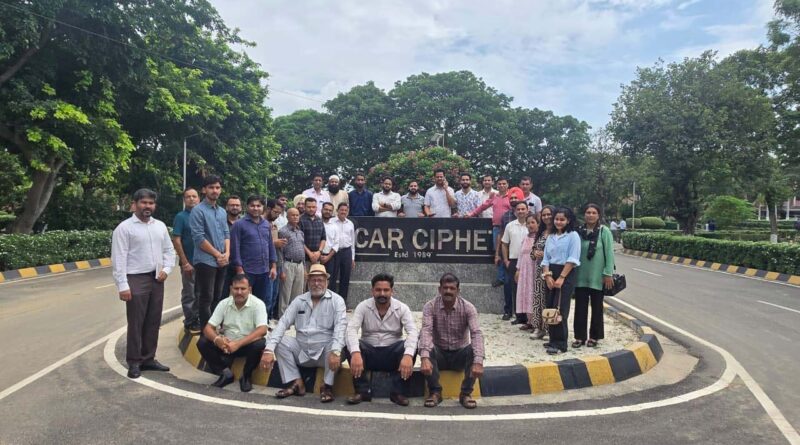
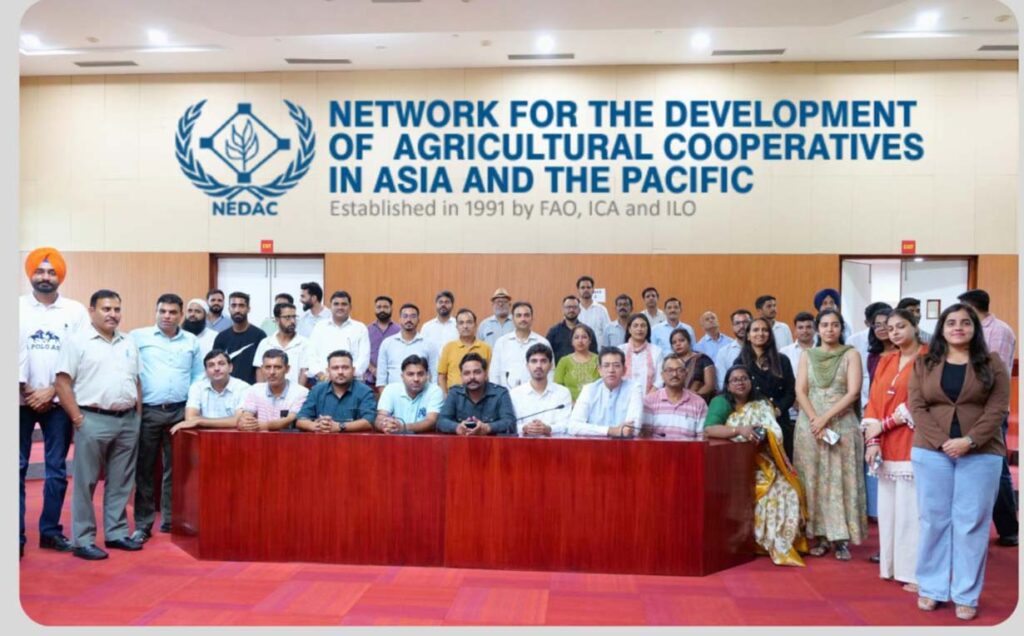
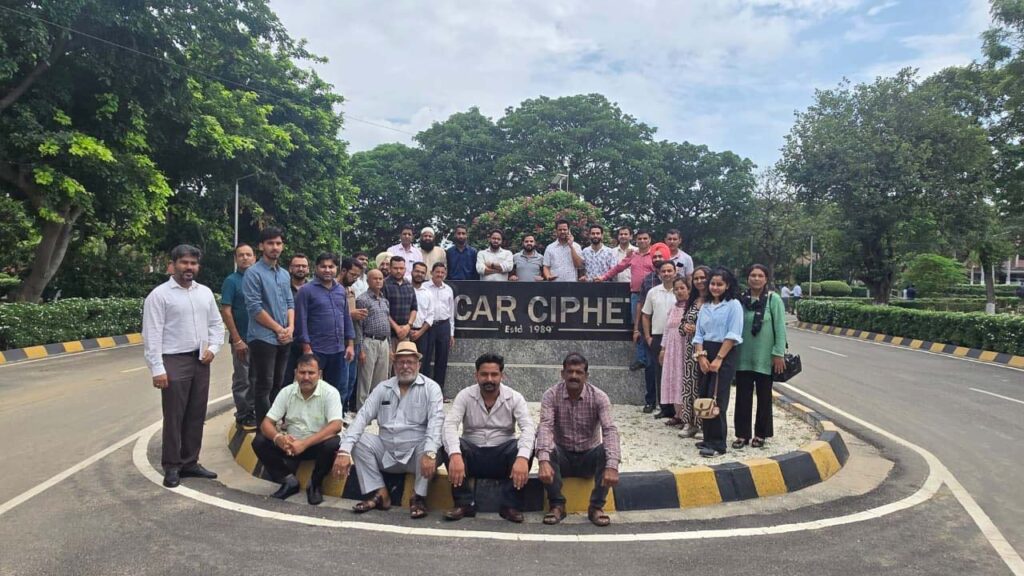
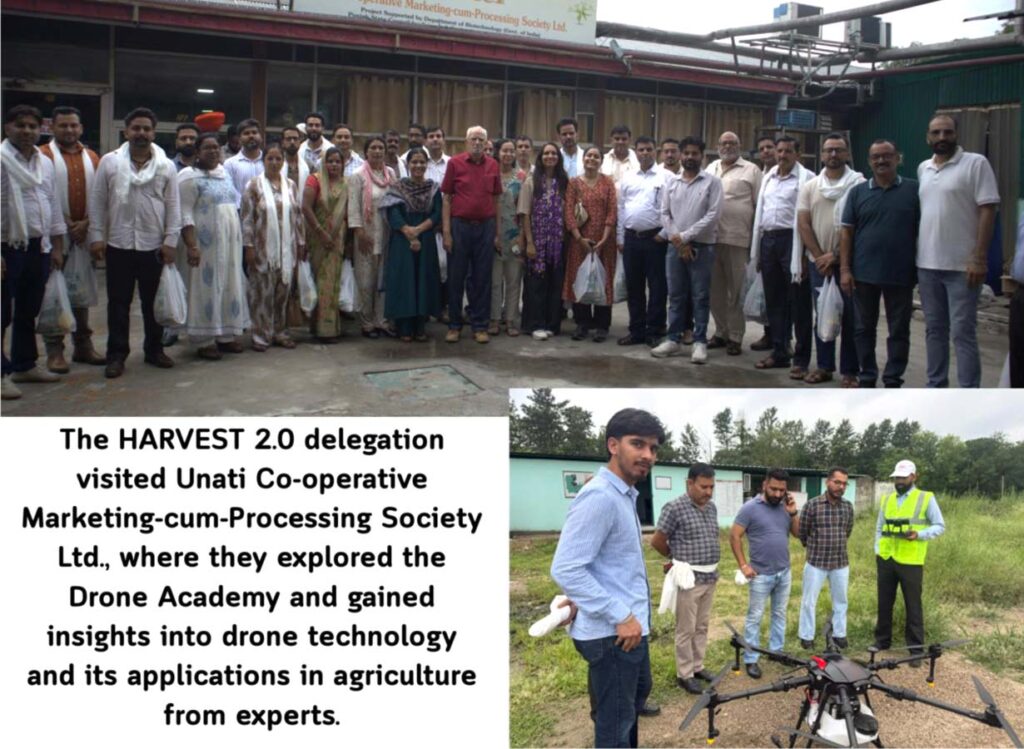
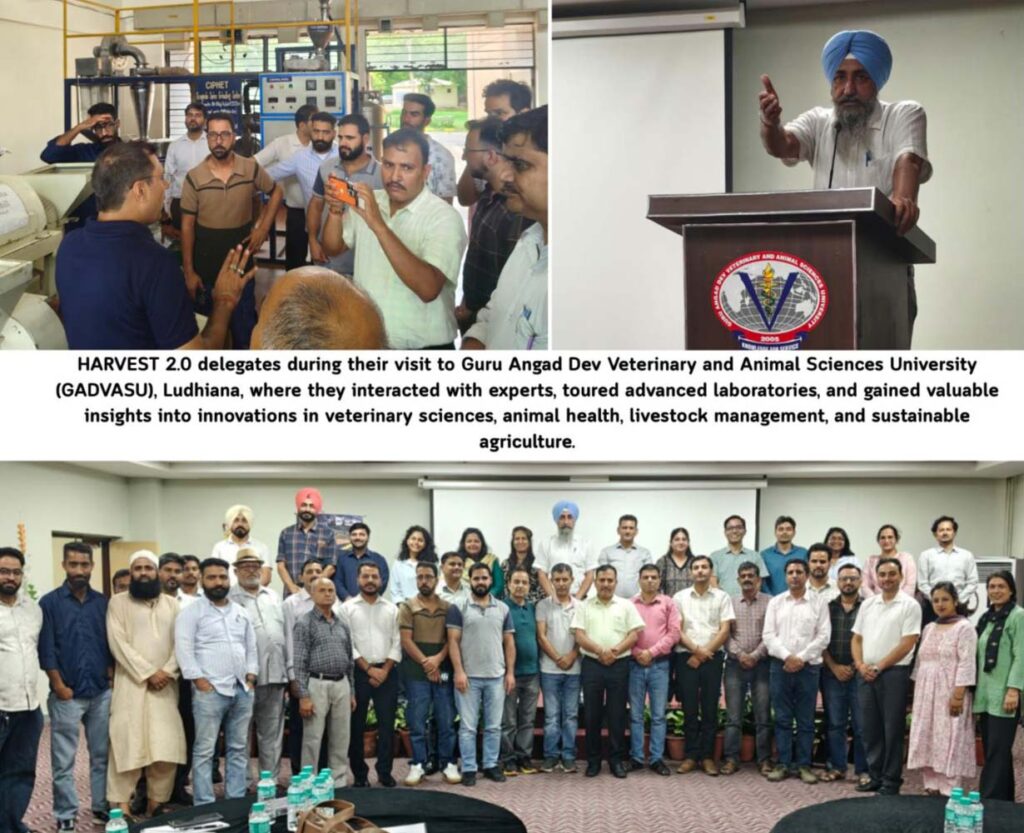
The three-day summit concluded with an interactive question-and-answer session featuring Farmer Producer Organizations (FPOs), followed by a series of thematic sessions and field visits to the Indian Institute of Technology (IIT) Ropar, BRIC–National Agri-Food Biotechnology Institute (NABI), Mohali, Unati Multi State Cooperative Society, Guru Angad Dev Veterinary and Animal Sciences University (GADVASU), Ludhiana, and the ICAR–Central Institute of Post-Harvest Engineering and Technology (CIPHET), Ludhiana. These engagements facilitated knowledge exchange, strengthened institutional partnerships, and showcased technology-driven cooperative solutions for building a resilient and future-ready agricultural ecosystem.
Related Docs